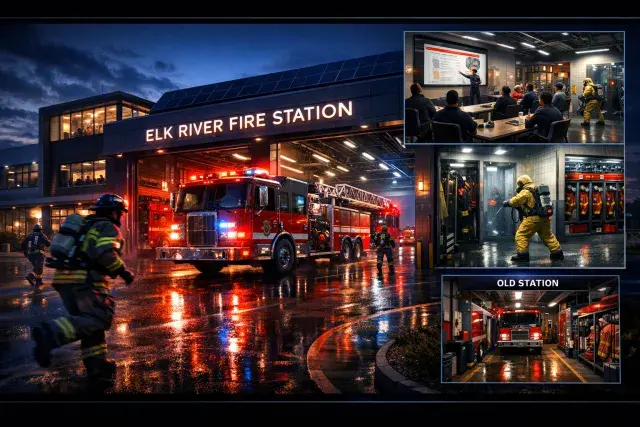
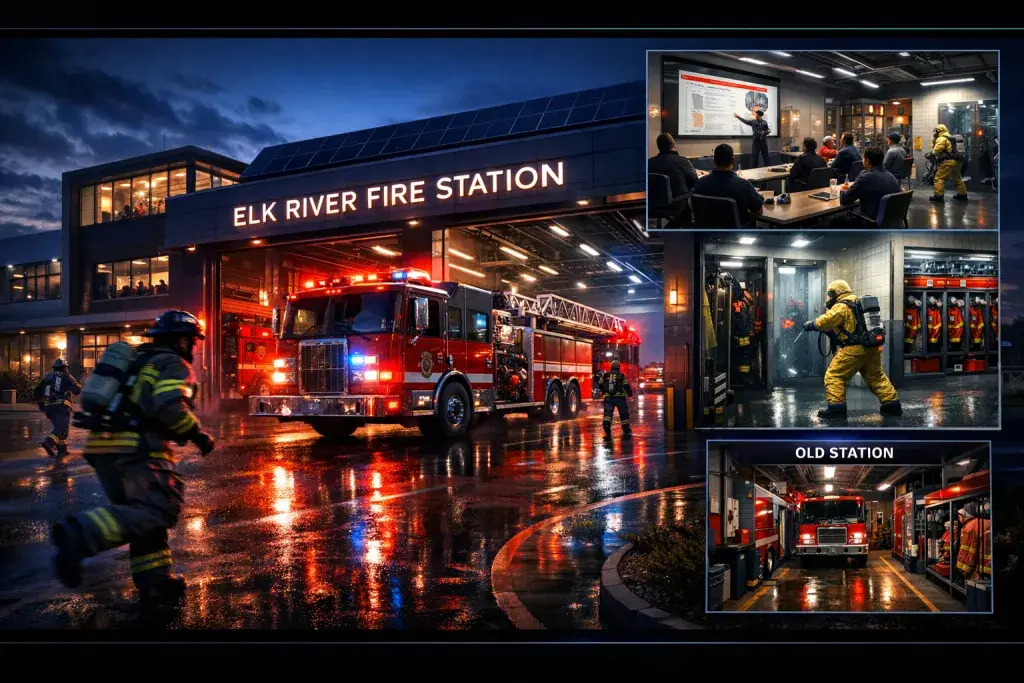
The city of Elk River is moving forward with designs for a new fire station that prioritizes space for advanced equipment, expansive training classrooms, properly scaled decontamination areas, and drive-through bays for today's oversized apparatus. Rendered by CNH Architects, this project addresses the limitations of the community's aging infrastructure, enhancing public safety in a rapidly growing area.
Key Features Tailored for Contemporary Needs
Modern fire stations must accommodate evolving demands, from larger fire trucks to specialized hazmat response. Elk River's planned facility incorporates essential upgrades:
- Sufficient space for equipment storage, preventing the clutter common in older stations that slows response times.
- Large classrooms for firefighter training and public education programs, vital as community fire risks rise with urban expansion.
- “Appropriately sized” decontamination zones, critical for handling chemical exposures or infectious disease scenarios post-pandemic.
- Drive-through apparatus bays designed for seamless access by modern, longer fire engines—up to 40 feet—reducing turnaround delays.
These elements reflect best practices in fire architecture, ensuring efficiency during high-stakes operations.
Overcoming Challenges of an Aging Station
Elk River's current fire station, burdened by decades of wear, struggles with inadequate space and outdated layouts. Narrow bays hinder quick apparatus deployment, while cramped areas limit training—issues echoed in many Midwestern communities facing population booms. Nationally, fire departments report average response delays of 1-2 minutes in subpar facilities, per fire safety analyses. This project counters those by future-proofing against growth; Elk River's population has swelled 20% in the last decade, amplifying call volumes for structure fires and medical emergencies.
Implications for Community Resilience and Safety Trends
Beyond immediate fixes, the new station aligns with broader shifts in public safety. Decontamination suites prepare for rising hazmat incidents—industrial accidents have increased 15% in similar regions—while education spaces support prevention initiatives that cut residential fires by up to 30%, according to safety experts. Drive-through bays exemplify adaptive design, mirroring trends in stations nationwide that prioritize speed to shave precious seconds off response times, potentially saving lives. As climate-driven wildfires and urban density strain resources, Elk River's investment signals proactive leadership, setting a model for sustainable emergency infrastructure.