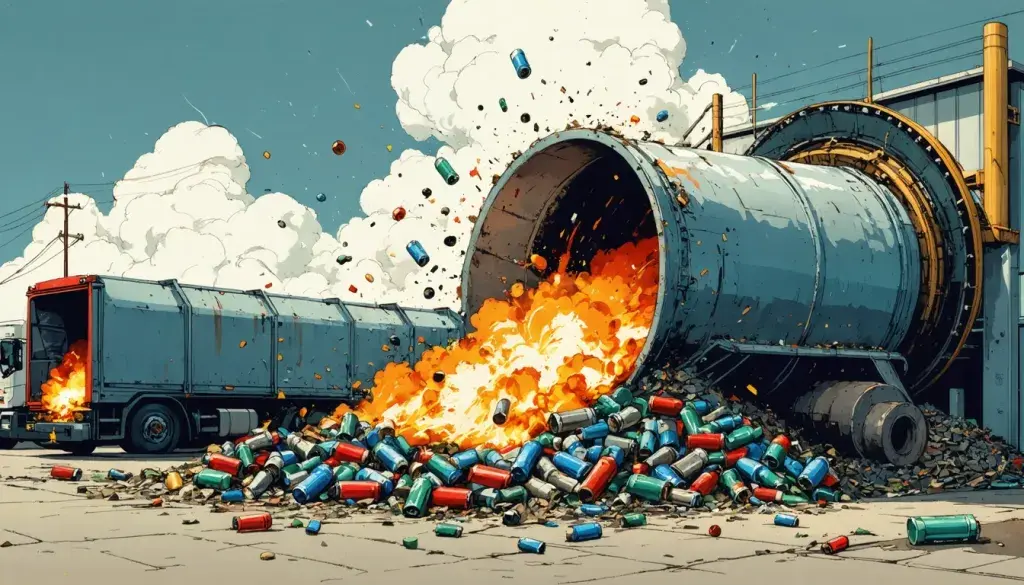
Metro Vancouver Regional District is grappling with a surge in nitrous oxide (N2O) canister explosions ripping through its waste infrastructure, as users improperly toss these high-pressure cylinders into regular garbage. Popular as "whippets" for whipped cream or recreational highs, the canisters pose immediate dangers to workers and equipment at facilities like the Burnaby Waste-to-Energy plant, demanding urgent action to safeguard operations and public safety.
The Explosive Mechanics Behind the Threat
These steel cylinders, from tiny 8-gram whippets to three-litre industrial sizes, hold N2O gas under extreme pressure. Their safety data sheets warn they "may explode if heated," but in waste processing, compaction shocks or incinerator heat trigger ruptures just as violently.
- Mechanical rupture: Truck compactors or transfer stations crush the canisters, spewing shrapnel and gas.
- Thermal burst: At Waste-to-Energy sites, rising temperatures cause rapid expansion, damaging shredders and conveyors.
This isn't isolated—facilities have logged up to 21 explosions in a single day, turning routine waste handling into a high-stakes hazard amid growing recreational misuse fueled by vape shops and party culture.
Worker Risks and Operational Fallout
Paul Henderson, Metro Vancouver’s General Manager of Solid Waste Services, highlights equipment damage and downtime costing productivity, but the real alarm is for frontline workers facing shrapnel, fires, and chemical exposure. These incidents bottleneck waste throughput in a region already strained by urban growth, echoing broader trends where household hazardous waste slips into mainstream streams due to lax awareness.
Recreational N2O use has spiked, linking "laughing gas" from dentistry to illicit highs, with canisters now littering bins like never before. Without intervention, expect more injuries and inefficiencies mirroring global waste crises from unchecked consumer disposals.
Charting a Safer Path: Education and Infrastructure Fixes
Environmental experts urge a multi-pronged response: public campaigns stressing depressurization before disposal, retailer take-back mandates, and tech upgrades like AI sorters to flag metal cylinders early.
- Empty small whippets via dispensers; open valves fully on larger ones—never puncture yourself.
- Drop empty, punctured canisters at free Metro Vancouver depots as scrap metal or HHW.
- Advocate point-of-sale warnings and regulations to curb illegal dumping.
By treating these as hazardous until proven empty, Metro Vancouver can protect its teams, restore efficiency, and set a model for handling the fallout from shifting substance trends.