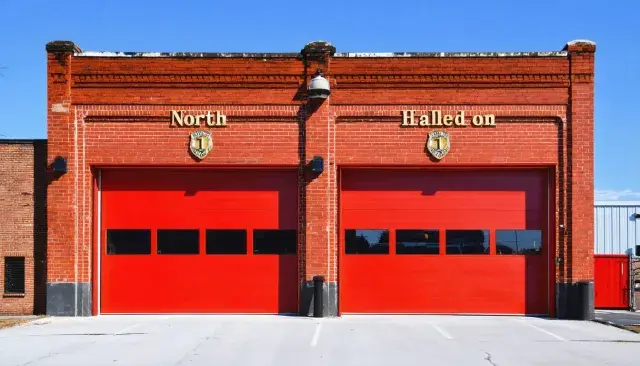
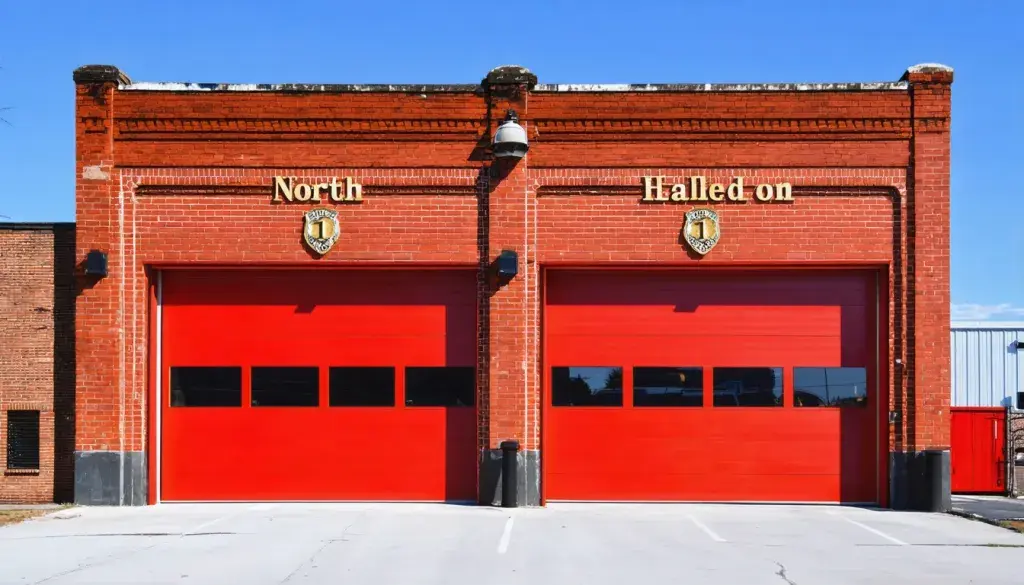
In North Haledon, New Jersey, the decommissioned fire station on Belmont Avenue fetched $1.4 million at a two-day online auction on November 6, with six bidders vying for the 9,184-square-foot property. This transaction closes a chapter on prolonged legal tensions and highlights surging demand for adaptive reuse spaces in suburban markets.
Auction Details and Key Facts
Max Spann Real Estate & Auction Co. of Clinton managed the sale, attracting competitive interest despite the building's specialized past as Fire Company 1 headquarters. The online format broadened participation, reflecting modern trends in municipal asset liquidation.
- Sale price: $1.4 million
- Bidders: Six active participants
- Property size: 9,184 square feet
- Date: November 6, following two-day bidding
Such auctions often yield 20-30% above reserve prices in hot markets, underscoring the firehouse's prime location near urban edges.
Background of the Legal Dispute
The property stemmed from a decade-long conflict between North Haledon borough and volunteer firefighters, culminating in municipal acquisition. Volunteer fire companies nationwide face similar pressures as aging infrastructure meets budget constraints and shifting demographics.
Once a community anchor, the station symbolized local heroism but became surplus amid consolidations. New Jersey's Passaic County has seen multiple firehouse repurposings, with sales averaging $150-$200 per square foot—aligning with this deal's value.
Implications for Community and Development
This sale opens doors for commercial or residential conversion, potentially boosting local tax revenue by 15-25% through reassessment. In small boroughs like North Haledon, repurposing public buildings combats blight while funding essential services.
Broader trends show fire stations transforming into breweries, offices, or lofts amid remote work booms and e-commerce-driven warehouse needs. Yet challenges persist: zoning hurdles and retrofit costs could delay revitalization, emphasizing smart planning for safety legacies.
Ultimately, the auction exemplifies how municipalities monetize assets to sustain public safety in evolving suburbs.