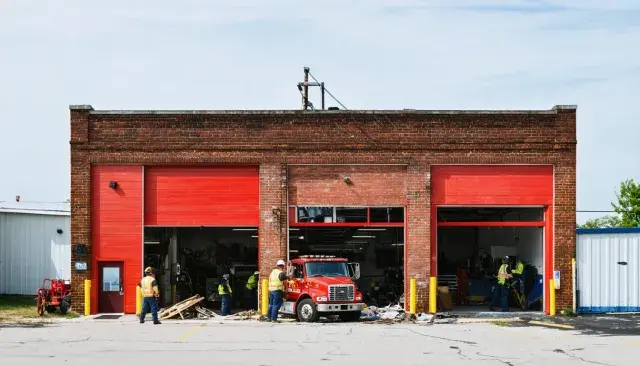
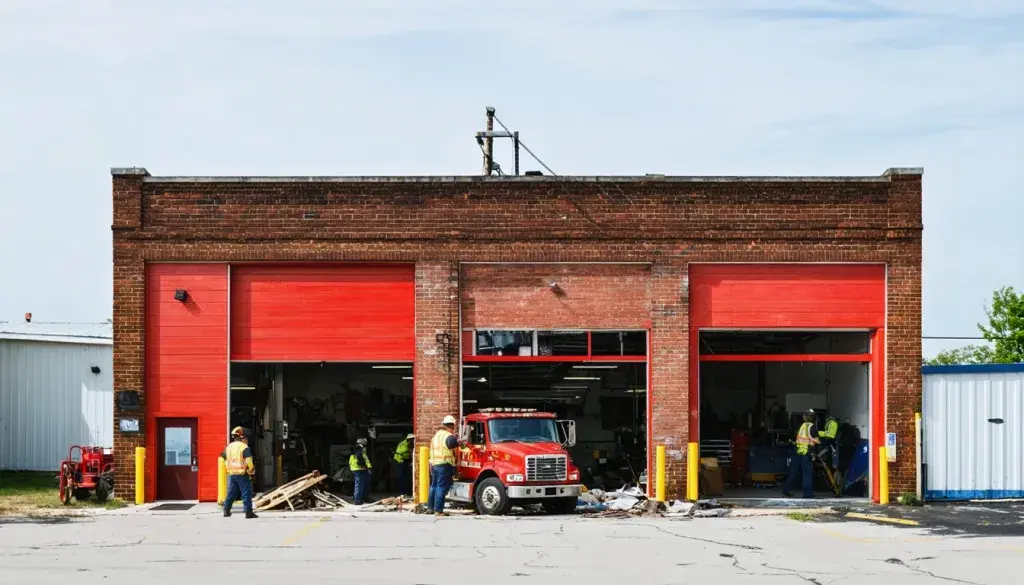
In Pinckney, developers took a major step toward transforming the old Putnam Township Fire Station into an adult-use marijuana retail shop after the Village Council approved a special land use request on July 14. This decision signals growing momentum in Michigan's cannabis market, potentially diversifying local options amid limited licenses and stalled projects.
Details of the Council Approval
The unanimous vote by attending councilmembers—without Rob Coppersmith present—cleared the path for QPS Michigan Holdings LLC, a subsidiary of Ann Arbor-based C3 Industries, to renovate the site at 1066 E. M-36. Previously zoned Secondary Business District, the former fire station will see interior upgrades, removal of a lean-to carport and eastern driveway, and added parking, with no building expansion planned.
- Approval came with conditions to ensure compliance.
- Bob Phillips of C3 presented briefly, highlighting the company's six-year history and 10 Michigan retail stores.
- C3 operates over 30 stores across six states, underscoring its established footprint.
Background on QPS and Local Cannabis Landscape
QPS first vied for Pinckney's sole available adult-use marijuana retailer license in 2021 but lost to The Means Project, which scored higher. Michigan's 2018 adult-use legalization has fueled rapid industry growth, with statewide sales topping $3 billion annually by 2023, drawing investors like C3 to small markets like Pinckney in Livingston County.
Currently, no new licenses exist in the village; The Means Project holds the only active one, set for renewal review in August. This scarcity drives competition, as communities balance economic boosts—such as tax revenue and jobs—from cannabis against zoning and community concerns.
Uncertain Fate of The Means Project
The Means Project, slated for the former Pinckney Elementary School, has faced repeated delays since gaining approvals in 2021 and extensions in 2024. Construction stalled, and the $2.95 million-listed property remains unsold, prompting the Planning Commission in April to recommend revoking its permits.
Village President Jeff Buerman plans to notify developers soon, as the license nears expiration. If not renewed, it could free up for QPS or others, reshaping Pinckney's market. Such delays highlight common hurdles in cannabis development: regulatory hurdles, financing issues, and shifting investor priorities in a maturing industry.
Implications for Pinckney and Beyond
This approval could introduce competition, potentially lowering prices and expanding consumer access while generating local taxes and jobs—key in rural economies like Pinckney's. Broader trends show Michigan's cannabis sector maturing, with retail saturation prompting diversification into hospitality and wellness products.
Yet, implications include traffic management on M-36 and community adaptation to normalized cannabis retail, mirroring national shifts where legalization correlates with reduced black-market activity and safer regulated products. Watch August's renewal decision, as it may catalyze Pinckney's entry into a more competitive, economically vibrant cannabis scene.