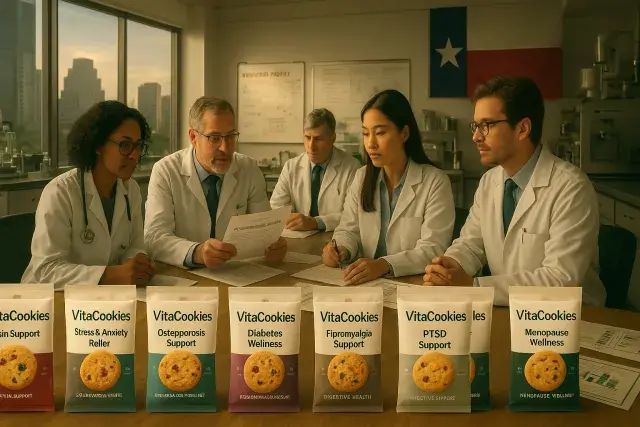
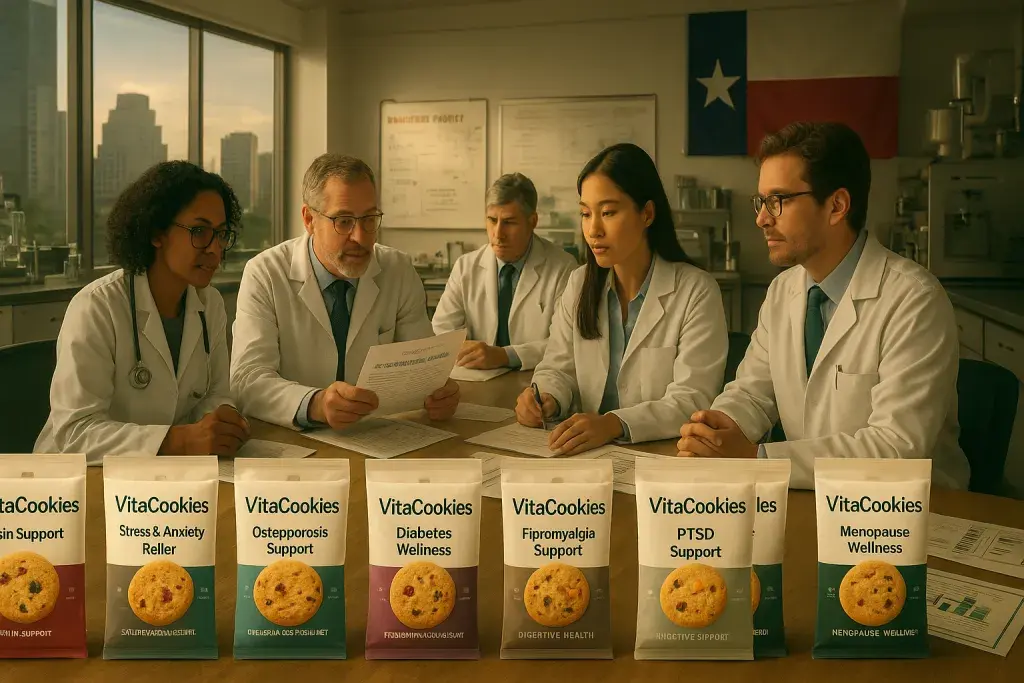
Cannabis Bioscience International Holdings (OTCID: CBIH) has completed and submitted documentation for a Texas licensing process tied to the planned commercialization of VitaCookies, a cannabinoid-formulated functional wellness cookie line developed over nearly two years of internal R&D work. The submission marks an early but consequential step for a company positioning itself at the intersection of cannabinoid science, functional food, and condition-specific wellness. What makes this worth watching is not just the product - it's the commercialization model CBIH is building around it, one centered on licensing and franchising rather than direct retail.
That franchising orientation matters, especially as regulated cannabis markets across the country continue refining how cannabinoid-infused consumables can be manufactured, labeled, and sold. Operators in states with mature adult-use or medical frameworks already know how compliance-intensive edible SKUs can be - from lab testing and certificate of analysis requirements to compliant packaging, potency labeling, and point-of-sale disclosure obligations. Newer entrants to the functional wellness category, particularly those crossing into hemp-derived cannabinoid territory, face a patchwork of state-by-state standards that can shift with little notice. The experience of operators using a cannabis dispensary pos maryland system, for instance, reflects just how granular state-specific compliance requirements have become for any cannabinoid product moving through a licensed retail environment - and that operational complexity doesn't get simpler when a franchising layer is added on top of it.
CBIH's R&D approach appears deliberate, and the company has been transparent about the methodology behind the formulations. The team - described as including physicians, Ph.D. chemists, Ph.D. biologists, and pharmacists - evaluated ingredient compatibility, nutrient profile, cannabinoid interactions, dosage strategy, and sensory performance before settling on final formulations. An early challenge, which the company acknowledges openly, was a medicinal taste profile. That's a common friction point in cannabinoid-infused food development, where functional ingredient load often competes directly with palatability. CBIH's response was to bring in cookie specialists with roughly 75 years of production experience, a partnership the company credits with producing a fruit-forward flavor architecture more likely to support consumer adoption. That kind of formulation-to-palatability iteration is standard in functional food development - and it's an honest thing to admit rather than paper over.
The Condition-Specific Positioning and What It Means for Market Entry
VitaCookies is being developed across a range of condition-focused wellness categories: pain support, stress and anxiety, osteoporosis-related support, diabetes-related wellness, fibromyalgia support, digestive wellness, PTSD-related support, and menopause-related support. CBIH explicitly notes that women's wellness and menopause support have been underserved in both traditional medicine and product innovation. That observation isn't unfounded - product development in those categories has lagged research interest for years, and the functional food market has largely reflected that gap.
Here's the catch, though. Condition-specific language in cannabinoid product marketing sits in genuinely contested regulatory territory. The FDA has not approved CBD or other cannabinoids for the treatment or management of any of the conditions listed above. Any commercialization pathway - whether through Texas licensing, franchise agreements, or retail distribution - will require CBIH to walk a careful line between communicating the wellness orientation of the product and avoiding disease claims that trigger federal or state enforcement attention. "Support" language, as used throughout the company's framing, is the standard approach. That framing is appropriate; it does not constitute a therapeutic guarantee, and responsible product labeling and retail execution will need to reinforce that distinction consistently.
The Franchising Model: Opportunity and Operational Complexity
CBIH's stated intent to build commercial scale through franchising rather than direct retail is a meaningful structural choice. Franchising in the cannabinoid or cannabis-adjacent space introduces its own compliance layer - franchise agreements in regulated industries require careful legal architecture to ensure that licensees can meet local manufacturing, labeling, testing, and distribution requirements independently. A product that is compliant in one state's hemp-derived cannabinoid framework may face an entirely different set of requirements in another. Franchisees who lack compliance infrastructure or experience in regulated consumables could expose both themselves and the franchisor to enforcement risk.
The Texas market, where CBIH has initiated its licensing process, operates under a relatively limited medical cannabis program - the Compassionate Use Program - alongside hemp-derived CBD regulations that have evolved through state-level rulemaking. For any cannabinoid product entering that market, the sourcing, testing, and labeling requirements will govern what can actually move through retail or distribution channels. CBIH's stated focus on quality control and product standards suggests the company understands this, but the path from licensing submission to scalable commercial distribution involves multiple regulatory checkpoints that don't accelerate simply because the product science is sound.
What Operators and Investors Should Watch
For B2B observers tracking the functional wellness and cannabinoid edibles space, CBIH's approach raises questions worth following. Can a franchising model deliver consistent product quality and compliance across multiple state markets when cannabinoid regulations remain fragmented? How will the company's condition-specific product architecture hold up against labeling scrutiny from state regulators or federal agencies? And does the manufacturing partnership - with cookie specialists rather than a licensed cannabis or hemp manufacturer - create any supply chain or testing documentation gaps that could surface during regulatory review?
None of these are disqualifying concerns. They're operational realities that any serious product company in this space has to address before market entry, not after. CBIH says it intends to advance carefully and responsibly. The licensing documentation is submitted. The next visible milestone will be what comes back from Texas - and how the company structures the franchise and manufacturing agreements that follow.