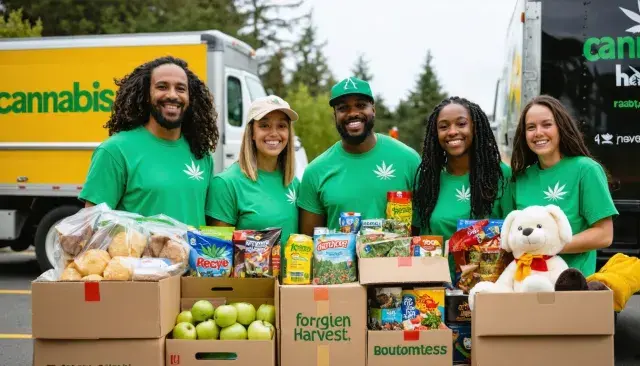
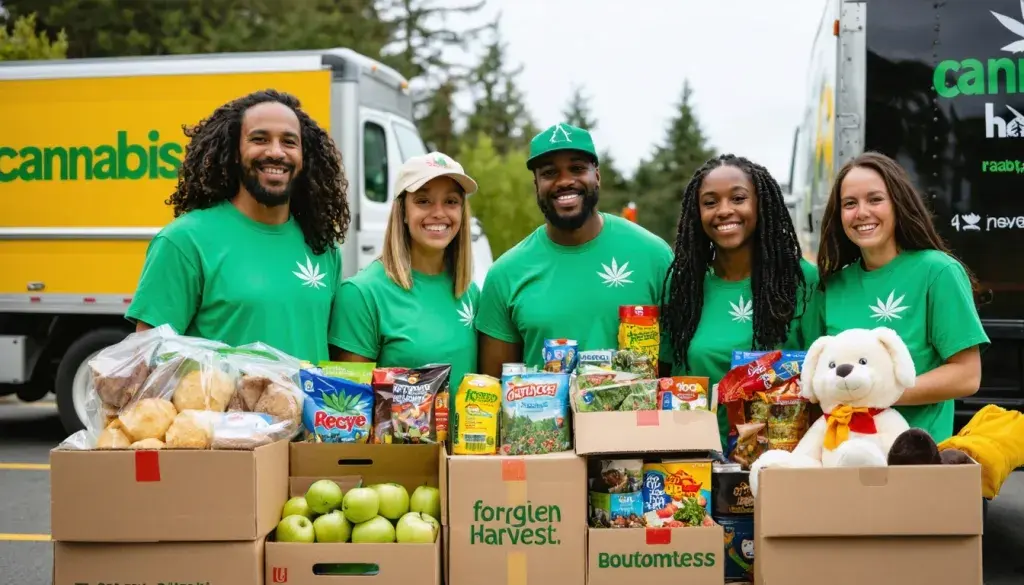
Recreational cannabis companies have launched partnerships with nonprofits such as Forgotten Harvest and Bottomless Toy Chest to deliver food and toys to families in need during the holiday season. These initiatives mark a shift for an industry long viewed with suspicion, channeling profits into direct community support. The efforts highlight how legalized cannabis operations now prioritize local welfare amid economic pressures.
Nonprofits at the Heart of the Effort
Forgotten Harvest, a food rescue organization, collects surplus groceries from farms, grocers, and restaurants to redistribute them free to those facing hunger. Bottomless Toy Chest focuses on providing new toys to children from low-income households, ensuring holiday joy reaches underserved communities. Cannabis businesses contribute funding, volunteers, and resources to amplify these groups' reach during peak demand periods.
Industry's Pivot Toward Philanthropy
Legal recreational cannabis emerged in states like Colorado and Washington over a decade ago, sparking economic growth through taxes and jobs. Operators faced ongoing stigma, prompting many to invest in goodwill-building activities. Holiday campaigns like these build trust by addressing immediate needs such as food insecurity and child welfare, common challenges in urban and rural areas alike.
Implications for Community and Culture
Such partnerships normalize the cannabis sector within mainstream society, fostering acceptance as businesses demonstrate social responsibility. They align with rising expectations for corporate involvement in charity, especially when economic hardship persists. As holidays underscore inequality, these actions provide tangible aid while signaling the industry's maturation beyond mere commerce.