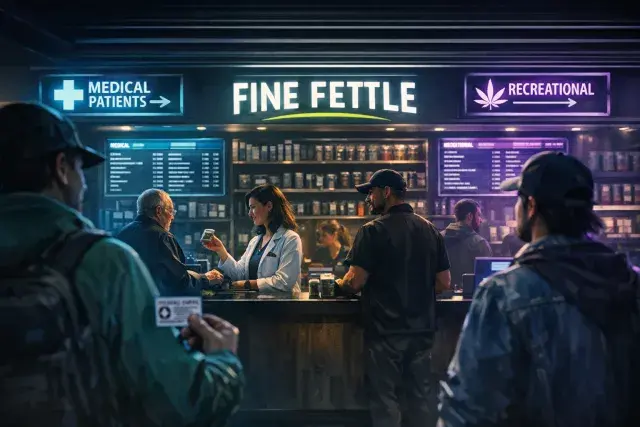
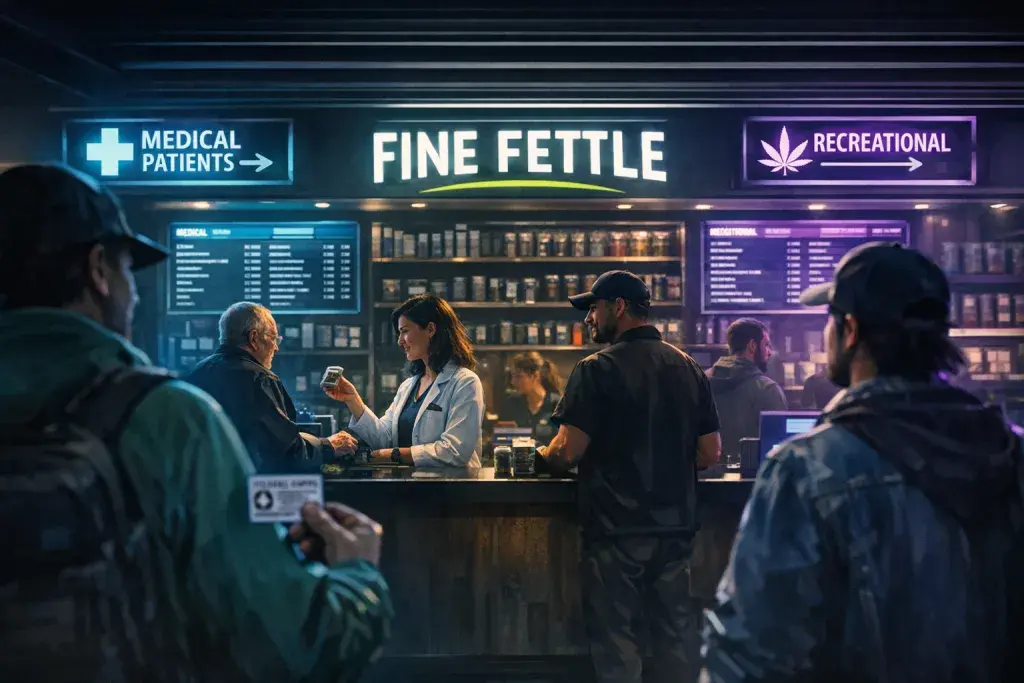
Starting Thursday, Fine Fettle's nine Connecticut cannabis dispensaries will welcome both medical patients and adult-use buyers under a fresh state law. Company leaders frame the shift as a win for accessibility—bridging gaps in medical care without diluting service quality. This hybrid model lands amid Connecticut's steady expansion of its cannabis market, now three years into recreational sales.
Regulatory Shift Enables Hybrid Operations
Connecticut's latest legislation greenlights recreational retailers to morph into hybrid dispensaries, certified to handle registered patients in the state's Medical Marijuana program. Fine Fettle seized the opening, retrofitting all locations from Manchester to Norwalk, Old Saybrook, Waterbury, West Hartford, and beyond. "This change allows us to continue fulfilling our mission of accessible, compassionate care while strengthening the state’s medical program," COO Benjamin Zachs wrote.
Under the old setup, medical patients often faced slim pickings or long drives—especially in underserved pockets. Hybrids fix that. Zachs called it a matter of "efficiency and equity," crediting state lawmakers and the Department of Consumer Protection. In practice, though, the pivot demands tight inventory controls and staff training to honor medical priorities like verified IDs and dosage consultations.
Broadening Access in a Maturing Market
Fine Fettle, which also runs shops in Massachusetts and Georgia, bets on the hybrid path to knit medical and recreational worlds closer. Medical users get priority lanes in many states; here, the model promises steadier supply chains for conditions from chronic pain to epilepsy—hallmarks of Connecticut's program since 2012. No one was clamoring for this overhaul per se. Yet it plugs a hole: recreational boom left some patients sidelined.
What's striking? This isn't isolated. Neighboring states like Massachusetts already blend the streams, easing burdens on dedicated medical outlets. Connecticut's move—post its 2021 recreational launch—could swell patient rolls, now hovering around 150,000 statewide. Downstream, it might stabilize prices or spur product innovation tailored to both camps.
Balancing Care and Commerce
Zachs stressed no corners cut: "expertise and personal touch" endure. Hybrid status means dispensaries must segregate records, cap wait times for patients, and uphold potency testing—non-negotiables under social equity rules baked into Connecticut's framework. Risks lurk, fair enough—crowds could strain service, or recreational demand might eclipse medical stock.
Still, leaders see upside. By folding everyone under one roof, Fine Fettle aims to fortify the medical tier against retail's long tail. For patients rooted in far-flung towns, Thursday marks less hassle, more options. The state’s cannabis ecosystem, once siloed, edges toward cohesion.