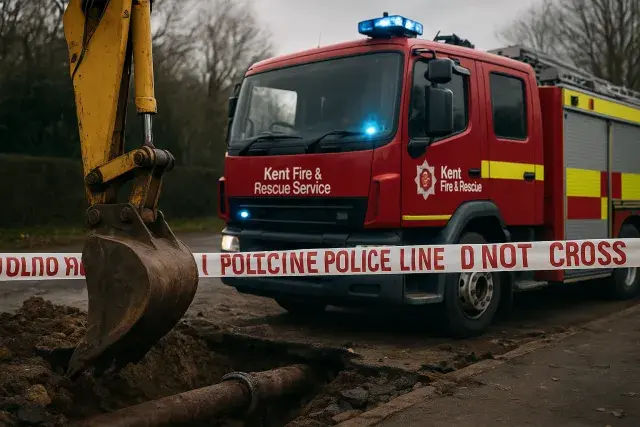
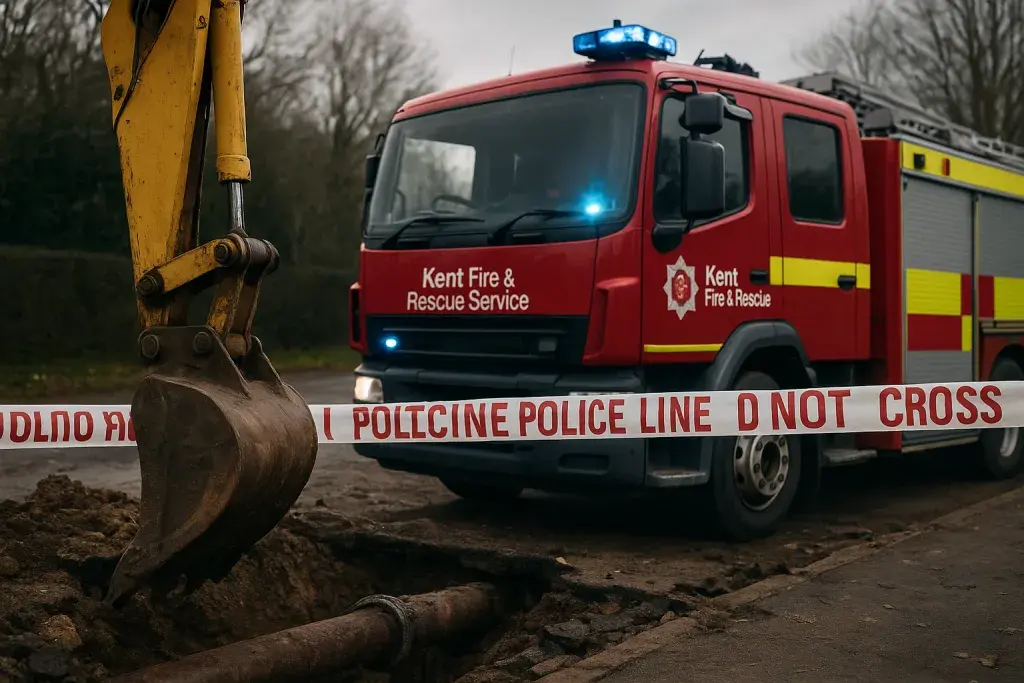
Kent Fire and Rescue Service crews are at the scene of a suspected gas leak in Margate Road, Broadstairs, near the roundabout leading to Westwood Cross, after a digger reportedly punctured a mains pipe during excavation work. One fire engine and gas engineers are working to make the area safe, and the road has been closed to traffic while the incident is contained. A Kent Fire and Rescue Service spokesperson confirmed crews were called at 12.55pm on 23 July and that the response is ongoing.
For any business sitting close to that closure - and Westwood Cross is a retail hub, not a quiet side street - the immediate cost isn't the leak itself, it's the interruption. A licensed cannabis retailer, had one been operating in that footprint, would be looking at a forced pause in foot traffic, delivery manifests stuck outside a cordon, and a POS terminal sitting idle while the clock keeps running on rent, payroll, and 280E tax exposure that doesn't care whether the doors are open. That's the unglamorous side of retail compliance: physical disruption from utility work, road closures, or emergency response can knock out a day's sales just as thoroughly as a licensing dispute. Operators in newer adult-use and medical markets increasingly lean on cloud-based systems - POS software for Maine cannabis retailers is one example of the category - precisely because remote access to sales data and compliance logs means a closure or evacuation doesn't also mean losing visibility into inventory and transaction records. POS software for Maine cannabis retailers
Why Underground Utility Strikes Matter to Regulated Retail
Gas mains, water lines, and fiber conduits run beneath most commercial corridors, and construction or landscaping work near a dispensary carries real risk of hitting one. For a cannabis retailer, the operational stakes go beyond a lost afternoon. Seed-to-sale tracking systems and METRC-linked inventory logs assume continuous, verifiable custody of product; an emergency evacuation forces staff to secure the vault, lock down point-of-sale terminals, and document the closure for compliance purposes. Insurers and regulators alike expect a paper trail showing that compliant packaging, product batches, and cash on hand were properly secured before anyone left the building.
Practical Lessons for Nearby Operators and Landlords
Dispensary owners near active construction zones - whether that's a car park upgrade, road resurfacing, or utility replacement - should treat the possibility of a struck line as a genuine business continuity issue, not a remote scenario. A few things worth having ready:
- An emergency closure protocol that covers vault security, POS shutdown, and staff evacuation without breaching seed-to-sale reporting requirements
- Clear signage and communication for customers turned away mid-visit, since abrupt closures without explanation tend to generate complaints and lost repeat business
- A working relationship with local emergency services contacts, so reopening isn't delayed longer than necessary once the scene is declared safe
None of this is dramatic stuff, but it's the kind of groundwork that separates operators who absorb a disruption cleanly from those who spend the next week untangling inventory discrepancies and lost sales records. In practice, though, the bigger point stands regardless of sector: when a digger meets a gas main, everyone downstream - fire crews, engineers, drivers, and nearby businesses - inherits the consequences until the site is confirmed safe.