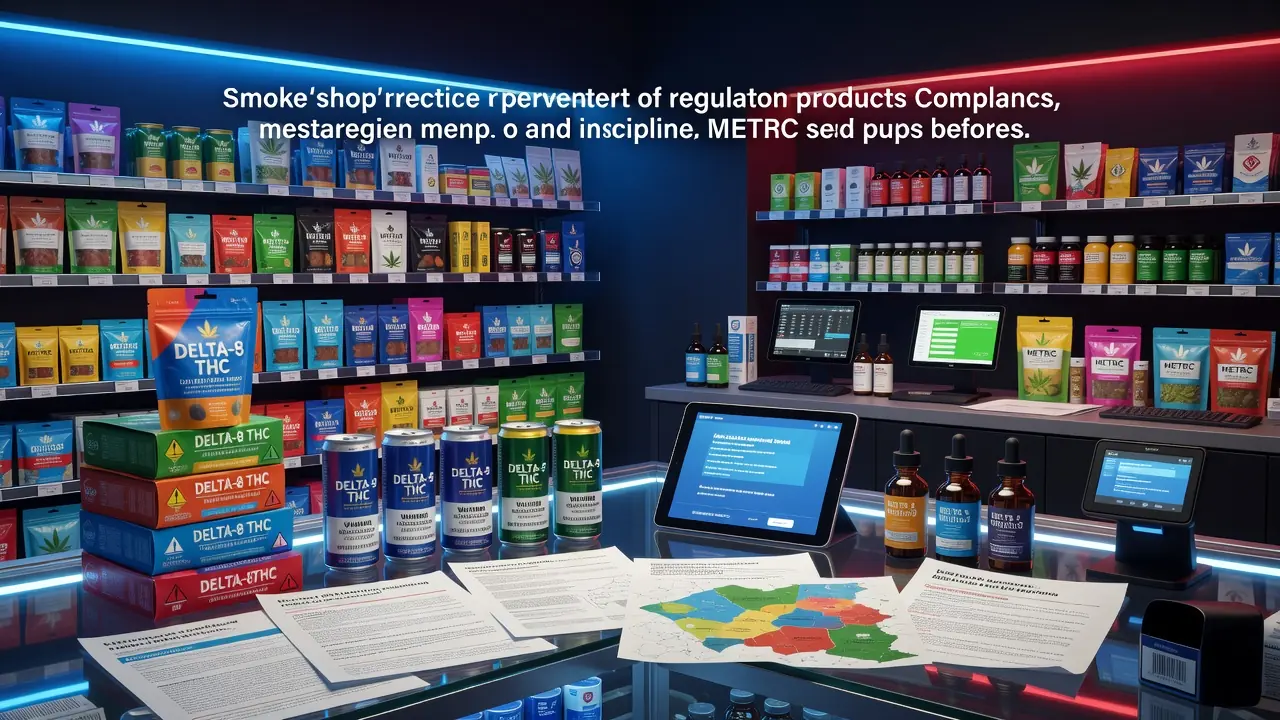
Hemp-derived product rules are shifting again, and retailers who treat this as background noise are setting themselves up for a hard landing. The regulatory environment around hemp-derived cannabinoids - think delta-8, delta-9 THC beverages, and other intoxicating hemp products sold outside traditional dispensary channels - has been in flux for years, and the latest round of changes forces a reckoning for anyone selling these items at retail. For convenience stores, smoke shops, and licensed cannabis retailers alike, the question isn't whether compliance obligations are tightening. It's whether the back office can keep pace.
Why the Rules Keep Moving
The 2018 Farm Bill opened a wide lane for hemp-derived products by defining hemp as cannabis with no more than 0.3% delta-9 THC by dry weight - a threshold that, in practice, left room for manufacturers to extract and concentrate other cannabinoids into intoxicating products sold with minimal oversight. States noticed. Some banned intoxicating hemp products outright. Others layered on licensing, age-verification, and testing requirements that mirror adult-use cannabis regulation without granting the same market access. The result has been a patchwork that varies by state line, and in some cases by county, which makes multi-state retail operations genuinely difficult to run with any consistency.
What's changing now is the tightening of that patchwork - federal proposals narrowing the hemp definition, state legislatures closing loopholes, and enforcement agencies paying closer attention to products that look, taste, and act like cannabis but were never required to pass through a licensed cannabis supply chain.
What Operators Actually Need to Check
This isn't an abstract policy debate. It touches shelf inventory, supplier contracts, and point-of-sale configuration. A few areas deserve immediate attention:
- Product sourcing: verify whether current hemp-derived SKUs still meet the applicable state definition of legal hemp, including any changes to allowable THC concentration or total cannabinoid content.
- Lab testing and COAs: confirm that certificates of analysis are current, reflect the correct testing panel, and come from labs recognized under the relevant state program.
- Packaging and labeling: child-resistant packaging, potency disclosure, and warning language requirements are expanding well beyond what hemp retailers were used to.
- Age-gating at point of sale: many jurisdictions now require ID verification for hemp-derived THC products identical to adult-use cannabis, which means POS systems need updated prompts and staff need retraining.
- Wholesale contracts: distributors supplying non-compliant inventory create liability that flows downstream to the retailer holding the product on shelf.
Here's the catch - a product that was fully legal to stock last quarter can become a liability overnight if a state redefines allowable THC thresholds or reclassifies a cannabinoid as a controlled substance analog. Inventory shrinkage from a forced product pull is one cost. The compliance exposure from selling something that's suddenly unlawful is a different, larger problem.
The Compliance Gap Between Hemp and Licensed Cannabis
Licensed cannabis dispensaries already operate under seed-to-sale tracking, strict packaging rules, and regular lab testing tied to state-run systems like METRC. Hemp retailers selling intoxicating products have, until recently, largely operated outside that infrastructure. That gap is closing fast, and it's forcing hemp-focused businesses to build compliance programs that look a lot like what cannabis operators have managed for years - without the benefit of years of institutional experience doing it.
For licensed cannabis retailers watching this unfold, there's a competitive angle worth noting. Tighter hemp rules may reduce the number of intoxicating products sold outside regulated dispensary channels, which could shift consumer demand back toward licensed retail. That's not guaranteed, and it shouldn't be treated as a given in financial projections. But it does mean compliance teams on both sides of the hemp-cannabis divide should be watching the same legislative sessions.
Practical Steps Before Enforcement Arrives
Waiting for an enforcement letter is not a strategy. Operators should audit current inventory against the latest state definitions, confirm supplier COAs are current and accurate, and review point-of-sale age-verification settings now rather than after a compliance check. Store managers should also document any product recalls or supplier notices in case regulators request records later. None of this guarantees a smooth transition - regulatory language is often ambiguous in the early months after a law changes - but a documented, good-faith compliance effort is a meaningfully better position than scrambling after the fact.
To put it plainly: hemp regulation is converging with cannabis regulation, slowly but unmistakably. Businesses that built their model around the old loophole-driven hemp market now face the same operational discipline - testing, labeling, age verification, tracking - that licensed cannabis retailers have lived with for years. Fair enough, some will say, given the consumer-safety concerns that prompted the changes. Whether or not that's the right policy call, it's the one operators now have to plan around.