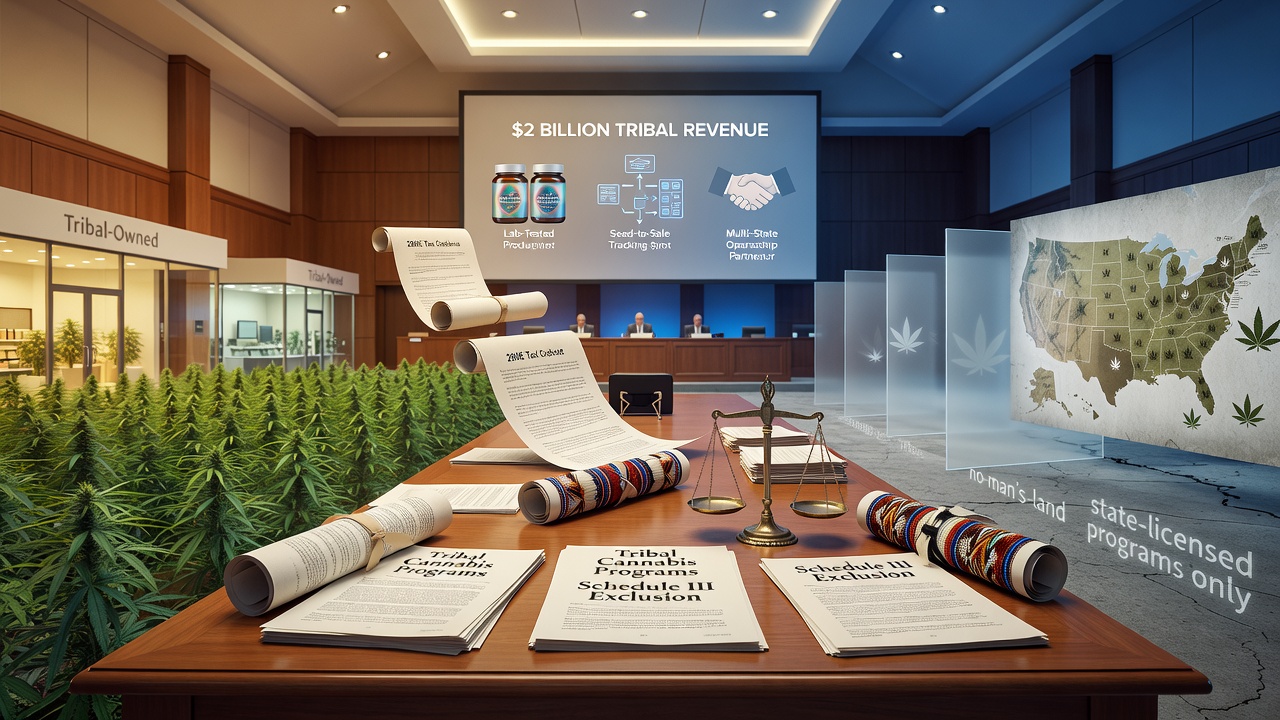
The National Congress of American Indians wants the Department of Justice to go back and fix a gap it says undermines the entire marijuana rescheduling effort: tribal cannabis programs. The group's resolution, adopted last month, argues that DOJ skipped a legally required consultation process with tribal governments before finalizing the rule that moves state-licensed medical cannabis from Schedule I to Schedule III of the Controlled Substances Act. The fix they want is straightforward on paper - amend the existing order or issue a new one covering tribally regulated cannabis - but the underlying jurisdictional questions are not.
Why Tribal Consultation Matters Here
Federal agencies are generally required to consult with tribal governments before taking actions that substantially affect them - a standard tracing back to a Clinton-era executive order on tribal sovereignty. NCAI says DOJ sidestepped that obligation by concluding, apparently without much explanation, that rescheduling "does not have substantial effects on one or more Indian tribes." That's a hard claim to square with reality on the ground. Tribes have spent years building licensing frameworks, cultivation operations, and retail storefronts under their own regulatory authority, separate from state medical and adult-use systems. If the federal rule text only references state-licensed programs, tribally licensed products may sit in a kind of regulatory no-man's-land - not clearly Schedule III, not clearly anything.
The Operational Stakes for Tribal Cannabis Businesses
This isn't an abstract legal argument for operators running tribal dispensaries or cultivation facilities. Schedule III status carries real consequences for how a cannabis business manages its tax bill, banking relationships, and supply chain. The most immediate one is Section 280E of the federal tax code, which bars businesses trafficking in Schedule I or II substances from deducting ordinary business expenses - payroll, rent, marketing - the way any other company would. Rescheduling to Schedule III is supposed to lift that burden. If tribal operators are excluded from the rule's scope, they could keep absorbing a tax penalty that state-licensed competitors no longer face, even while operating under comparable seed-to-sale tracking, lab testing, and compliant packaging standards.
There are knock-on effects beyond taxation. Banks and payment processors that calibrate risk tolerance around federal scheduling status may treat tribal cannabis accounts differently if the rule doesn't name them explicitly. Wholesale partners and multi-state operators weighing partnerships with tribal producers will want clarity on whether those products carry the same federal standing before they build them into distribution agreements or wholesale menus.
A Fast-Growing Segment With Unsettled Footing
Tribal involvement in cannabis has expanded steadily as more tribes exercise their inherent sovereign authority to license and regulate cannabis within their own jurisdictions - a trend separate from, and sometimes running alongside, state-level legalization. A mapping project from the Indigenous Cannabis Industry Association and the law firm Vicente LLP found that more than a quarter of Indigenous communities in the continental United States now have some involvement in marijuana or hemp programs. A separate projection from HedgeRow Analysis estimated tribal participation in the legal market could generate more than $2 billion in new annual revenue. Those numbers point to a segment too large to treat as a footnote.
What Comes Next
NCAI's resolution is a demand, not a binding legal order, so DOJ isn't required to act on it. But the consultation question gives tribes a procedural hook that could carry weight if litigation or administrative appeals follow. For now, operators in Indian Country are left managing compliance programs, inventory, and tax filings under a federal scheduling framework that may or may not apply to them - a genuinely awkward position for any business trying to plan a fiscal year. Regulators, lenders, and wholesale partners watching the rescheduling rollout would do well to track whether DOJ revisits the order, because the answer will shape how a meaningful share of the legal cannabis market gets taxed, banked, and sold.