A federal deadline in December could reshape one of Pennsylvania's fastest-growing agricultural sectors. Lawmakers in Washington are weighing tighter restrictions, possibly an outright ban, on hemp-derived products that contain trace amounts of Delta 9 THC - the same compounds now stocked on shelves at hemp retail stores across Lancaster County and beyond. For an industry built on a legal gray zone carved out by the 2018 Farm Bill, the stakes are not abstract; they're existential.
The mechanics here matter. The 2018 Farm Bill legalized hemp as distinct from marijuana by drawing a line at 0.3% Delta 9 THC by dry weight, a threshold that inadvertently opened the door to a wave of intoxicating products - beverages, gummies, topicals - that stay technically compliant while still delivering psychoactive effects. Congress recently moved to close that loophole, and now the question is how far the correction goes. Unlike state-licensed adult-use cannabis operators, who answer to seed-to-sale tracking systems, dosage caps, and lab-tested batch requirements, many hemp product makers have operated with far less regulatory scaffolding. That disparity is exactly what's fueling the current backlash, and it's worth noting that operators in fully regulated cannabis markets have already had to build out infrastructure - from compliant packaging to point-of-sale systems built for tracking THC content per unit - that hemp retailers are only now being asked to consider. In adult-use states like Massachusetts, dispensaries lean on retail management platforms such as the one described at dispensary crm massachusetts to keep purchase limits, age verification, and inventory records aligned with state mandates, a level of operational discipline that hemp brands may soon need to match if Congress imposes comparable rules.
Why Regulators Call It the Wild West
Pennsylvania's attorney general has flagged the core problem plainly: hemp companies can currently manufacture intoxicating products without the oversight that governs licensed cannabis dispensaries. No mandatory age-gating at the point of sale in every retail setting. No uniform COA requirements verifying potency and contaminant screening. No statewide licensing structure comparable to what medical or adult-use cannabis operators must satisfy. For a product category doing an estimated billion dollars annually in the state, that's a meaningful gap - and it's the reason state lawmakers keep circling back to consumer protection, particularly around access by minors.
What a Ban Would Actually Break
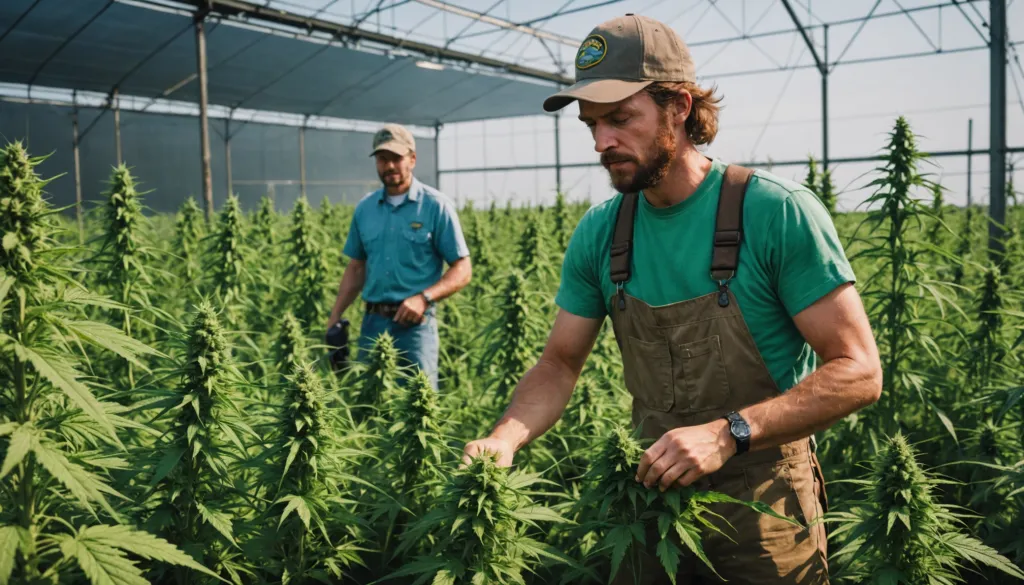
Here's the catch for policymakers: a blanket ban doesn't just shut down opportunistic operators selling unregulated vapes at gas stations. It also threatens farmers growing hemp under contract, processors who built extraction facilities around CBD and minor cannabinoids, and retailers who've invested in brick-and-mortar stores, wholesale relationships, and compliant labeling practices. Jake Sitler, who runs Endo and leads the Pennsylvania Hemp and Cannabis Guild, argues there's a responsible tier of the industry that shouldn't be lumped in with bad actors. That's a familiar argument in regulated cannabis circles too - vertical integration and self-imposed compliance standards don't mean much to legislators writing broad statutes under a deadline.
The Compromise Question
What's striking here is how closely this mirrors the early growing pains of licensed cannabis markets: a period of loose rules, a public safety scare, then a regulatory tightening that separates operators who can absorb compliance costs from those who can't. Trade groups like the Pennsylvania Hemp and Cannabis Guild are pushing for middle ground - age restrictions, testing mandates, packaging standards - rather than prohibition. Whether Congress agrees before the December deadline will determine if Pennsylvania's hemp sector evolves into something resembling regulated cannabis retail, or simply disappears.