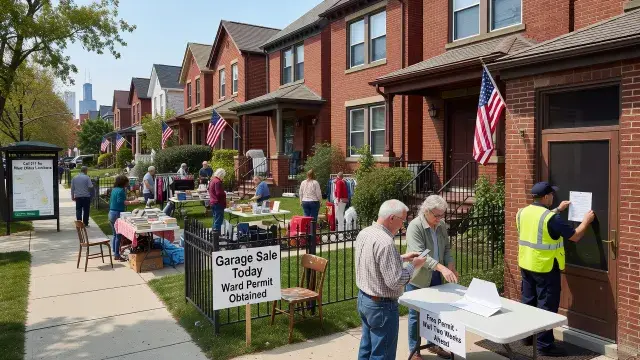
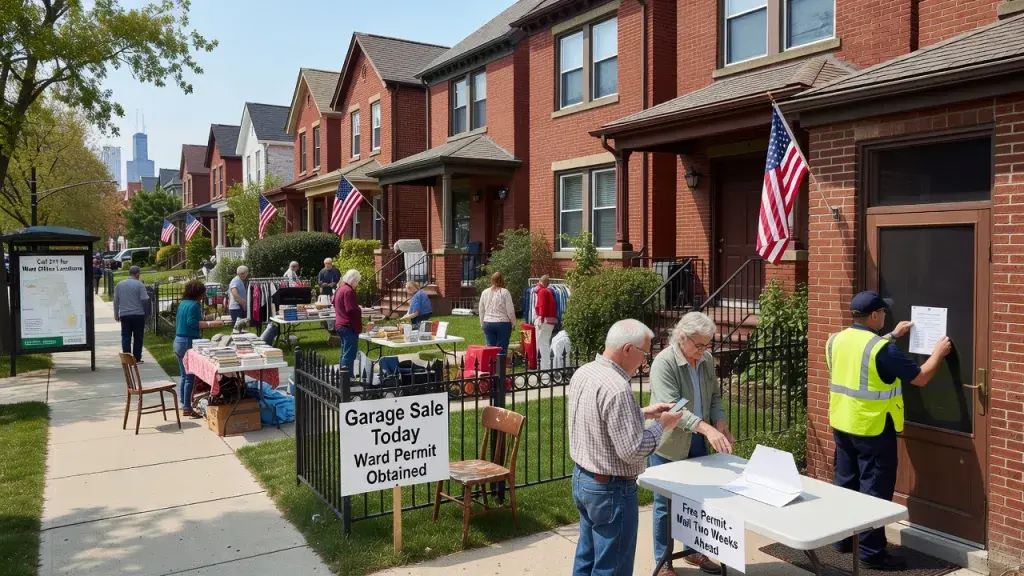
Residents across Chicago planning a garage, yard, or apartment sale need a permit first - and city hall has made the process local. All 50 ward offices issue these permits directly, and residents who aren't sure which office covers their block can find out with a single call to the city's 311 non-emergency line.
Why the City Requires a Permit at All
The requirement isn't new, and it isn't arbitrary. The Chicago City Council passed the underlying ordinance back in October 1996, and the motivation was fairly plain: some households were running what amounted to continuous, unlicensed retail operations out of their garages and yards, week after week, under the guise of a one-time sale. That's a problem for a residential block - it changes foot traffic, parking, and noise patterns in ways zoning never anticipated. The permit system exists to draw a line between an occasional household clearing out old furniture and something closer to an ongoing commercial storefront operating without a business license, without inspections, and without paying into the same regulatory structure that licensed retailers have to answer to.
The Rules Are Specific, and the Specificity Matters
Each household gets two permitted sales per calendar year. A third is allowed only if the household is moving permanently - not just downsizing or decluttering. Sales run three consecutive days, 9 a.m. to sunset; rain pushes the window to the following three days, but the total still caps at three. Here's a detail that trips people up: if multiple households join forces for one combined sale, each household still needs its own separate permit, even though the sale happens at a single address. Convenient for shoppers, maybe, but the paperwork doesn't collapse just because the tables do.
- Limit: two sales per household annually, three if relocating permanently
- Duration: three consecutive days, 9 a.m. to sunset, with a rain-delay allowance
- Multi-household sales require a separate permit per participating address
- Signage restricted to the property where the sale is held
- Permits are free, but applications must be mailed at least two weeks ahead
Signage and Enforcement - Where Violations Actually Bite
The ordinance draws a hard line on advertising. Signs can go up on the sale property itself and nowhere else - no posting them on utility poles, street corners, or a neighbor's lawn to funnel traffic in. Violate that, or skip the permit altogether, and the fine runs from $50 to $500, with each day of noncompliance treated as its own separate offense. That's not a trivial detail for anyone tempted to let a sale run long or advertise beyond the block; the daily-offense structure means the number can climb fast if a sale drags on unpermitted.
Charitable organizations, churches, and schools are exempt from the ordinance entirely, which makes sense given their different relationship to commercial activity and community fundraising. For everyone else, the process is straightforward in practice: fill out the application, mail it in at least two weeks before the sale starts, and there's no fee attached. Anyone with questions can reach their alderman's office directly or call 311 for guidance on locations and requirements.